
How We Program the Legends You’ve Heard Without Knowing
Curating a Stage for the Sampled Masters
Every ArtDontSleep concert begins long before the posters go up or the lights are focused. It begins in the quiet of discovery, the kind that happens in bedrooms, garage studios, late-night record shops, and dusty flea markets. Our programming is guided by a simple truth: the artists we book are often the ones we first met through samples.
Sample culture is a compass. Each new beat we love opens a door backwards in time. And behind that door, we find the maestros, artists celebrated at home yet long overlooked beyond their borders, obscured by a musical world-view that too often turned inward.
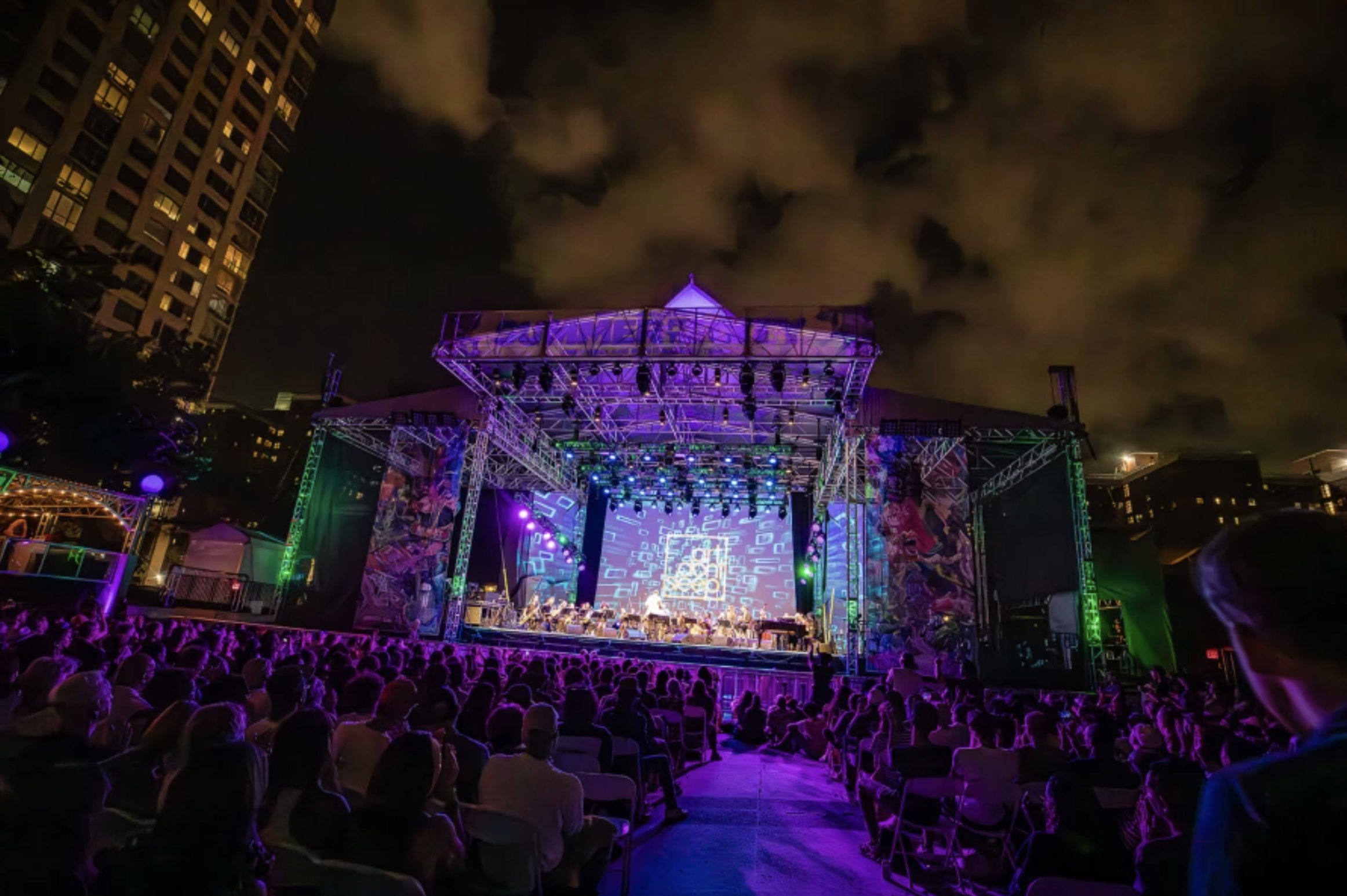
Arthur Verocai’ first US tour, live @ Jazz Is Dead - Lincoln Center, NY
That’s how we found Arthur Verocai. Long before he was packing auditoriums worldwide, we first heard his music through a tiny imprint label called Luv N Haight, a subsidiary of Ubiquity Records. Jamie Strong brought the reissue to us to sell at a local boutique we were curating the walls for on Melrose called Frecuencia Modulada. That reissue ignited the digging community, and soon after, the samples began to flow, from MF DOOM to Madlib, Ludacris to Tyler The Creator. His 1972 album, once a revered secret in Brazil, was transformed into a global sacred text. When we heard the whole record, it felt like a revelation, not a rediscovery.
That’s how Cortex entered our orbit. The French jazz-funk collective made one of the most sampled albums of all time, yet for decades they performed to small audiences. Now, their live shows feel like celebrations of a band the world finally recognized was hiding in plain sight.
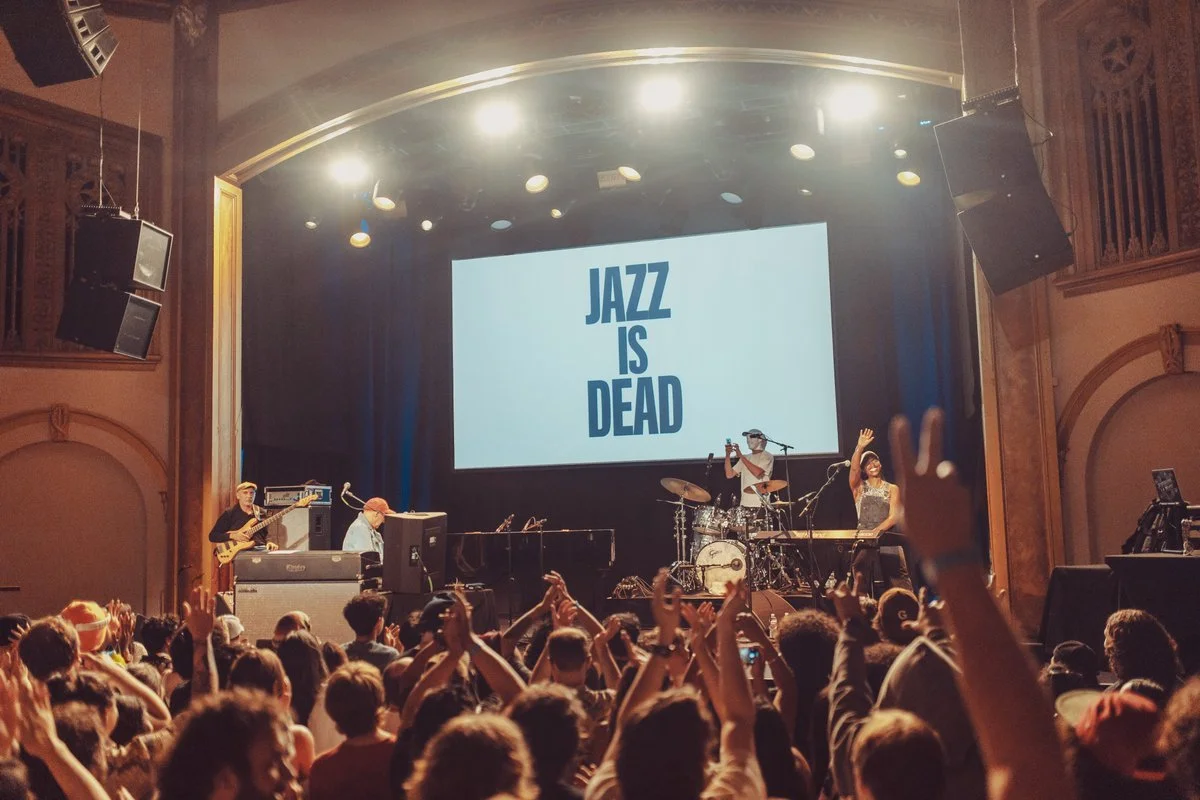
Cortex live @ Jazz Is Dead - The Neptune - Seattle
The same happened with the Mizell Brothers, whose lush jazz-funk arrangements shaped Blue Note’s electric era and later powered countless hip hop classics. Their fingerprints are everywhere: in Tribe, in Nas, in the Pharcyde. So, when we bring their music to the stage, it’s not nostalgia. It’s a renewal.
And then there’s Azymuth, whose Brazilian futurism sounded like tomorrow even in the 1970s. Producers mined their catalog for grooves, breaks, and textures for decades, but hearing them live is something else entirely. It’s a reminder that music made with soul ages in reverse.
These artists, and so many more in our programming, came to us first not through agents or industry hype, but through records sampled by the musicians shaping today’s music. Every time we book them, it feels like restoring a constellation that was always in the sky, just dimmed by distance.
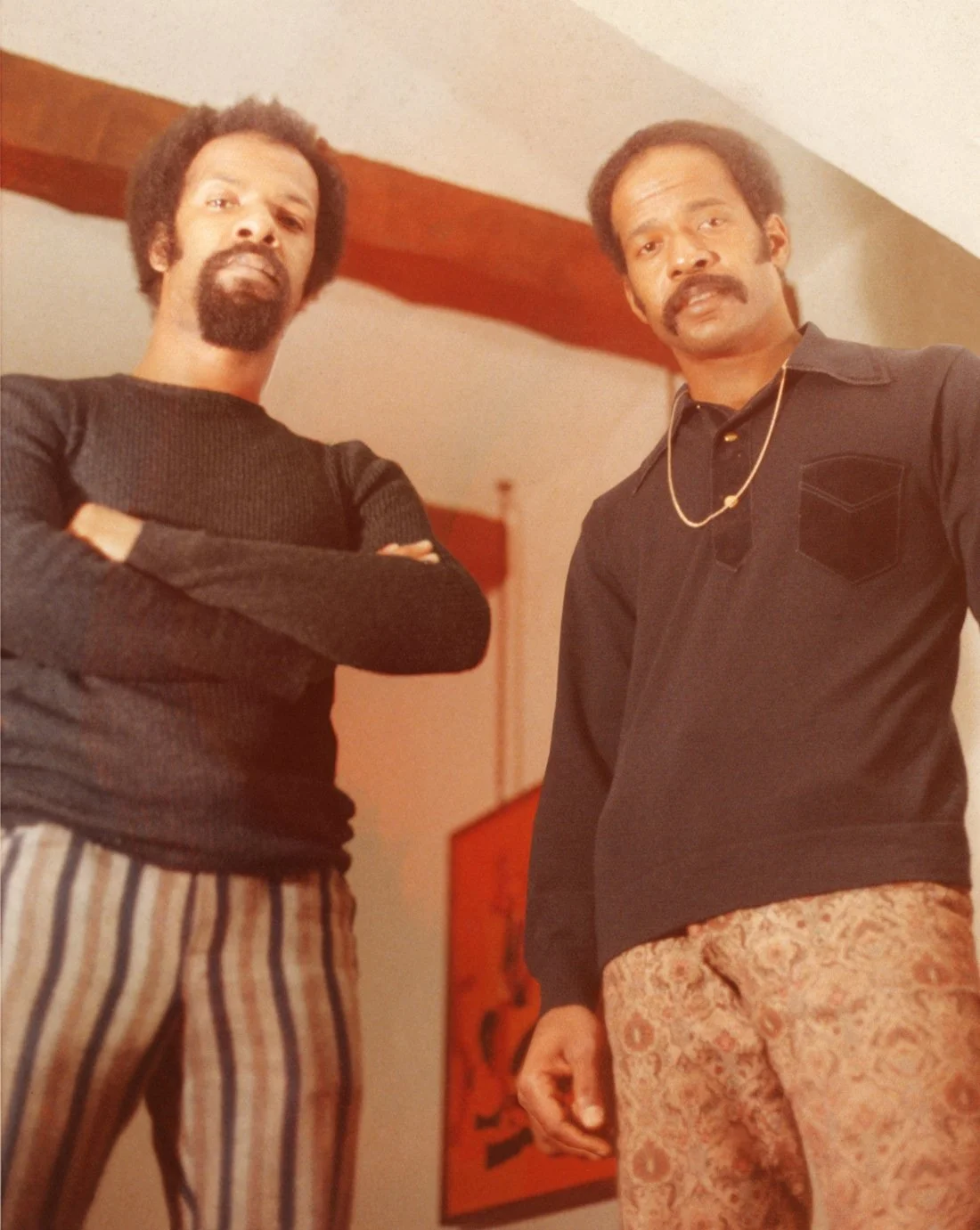
Mizell Brothers
ArtDontSleep builds stages not just for concerts, but for reunions. Between generations, between eras, between listeners and the music that unknowingly molded them. Bringing these maestros to audiences who’ve heard them for years without knowing their names is one of the great joys of our work.
Because sample culture doesn’t just give new life to old recordings, it reveals the deeper truth:
The past is not past, it's simply waiting to be heard again.
THE FRONTLINE IS OUR HOME
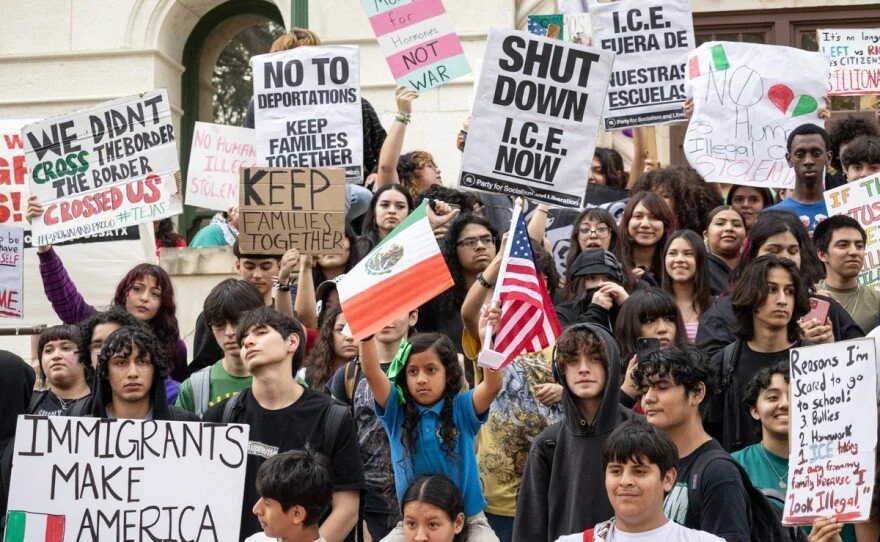
Across the United States, communities are organizing to resist and challenge Immigration and Customs Enforcement (ICE) through a multi-layered strategy of protection, policy, and protest.
At the most immediate level, community defense networks use rapid-response phone trees and encrypted apps to broadcast ICE sightings, sending volunteers to document raids, serve as legal witnesses, and inform individuals of their rights. Groups like community bail funds work to free detained neighbors, while "sanctuary" policies (at city or state levels) limit local police cooperation with ICE, refusing to honor non-mandatory detainer requests.
Legally, "know your rights" workshops are widespread, and non-profit legal clinics provide direct representation to fight deportations. Advocates also push for legislation to limit ICE’s reach and funding.
The resistance is also about creating parallel support systems: from housing undocumented families to offering transportation and childcare, communities are building resilience outside the immigration enforcement system. Public protests, marches, and campaigns to shut down detention centers apply continuous pressure, asserting a core belief: that the safety and dignity of community members come before immigration enforcement.
National Hotlines & Resources
United We Dream Hotline: A national, toll-free hotline for emergency immigration help and reporting ICE activity. Call: 1-844-363-1423.
Freedom for Immigrants: Runs a national, toll-free hotline for people in immigration detention. Call: 1-209-757-3733.
https://www.freedomforimmigrants.org/detention-hotline
Immigrant Legal Resource Center (ILRC): A national resource center providing legal trainings, materials, and advocacy tools (not a direct service hotline).
Important: In an emergency or immediate ICE encounter, the recommended steps are:
1) Stay Silent (you have the right to remain silent),
2) Do NOT Open the Door unless they show a valid judicial warrant with your name, and
3) Call an Attorney or Community Hotline Immediately. These organizations can help with preparation and response.