
Tomorrow Will Be Another Day: The Power of Music
“Those who say that music and politics don’t mix understand nothing about music nor about politics.”
Welcome to the ArtDontSleep newsletter! In this edition, we explore the powerful intersection of music and politics, featuring an article on how songs have shaped movements across Brasil, the U.S., Africa, and beyond. We’re also excited to share news of Adrian Younge’s upcoming European tour, and we want to hear from you through the new Jazz Is Dead survey—complete it for a chance to win exclusive gift packs. As always, thank you for being part of this community where music, culture, and resistance live side by side.
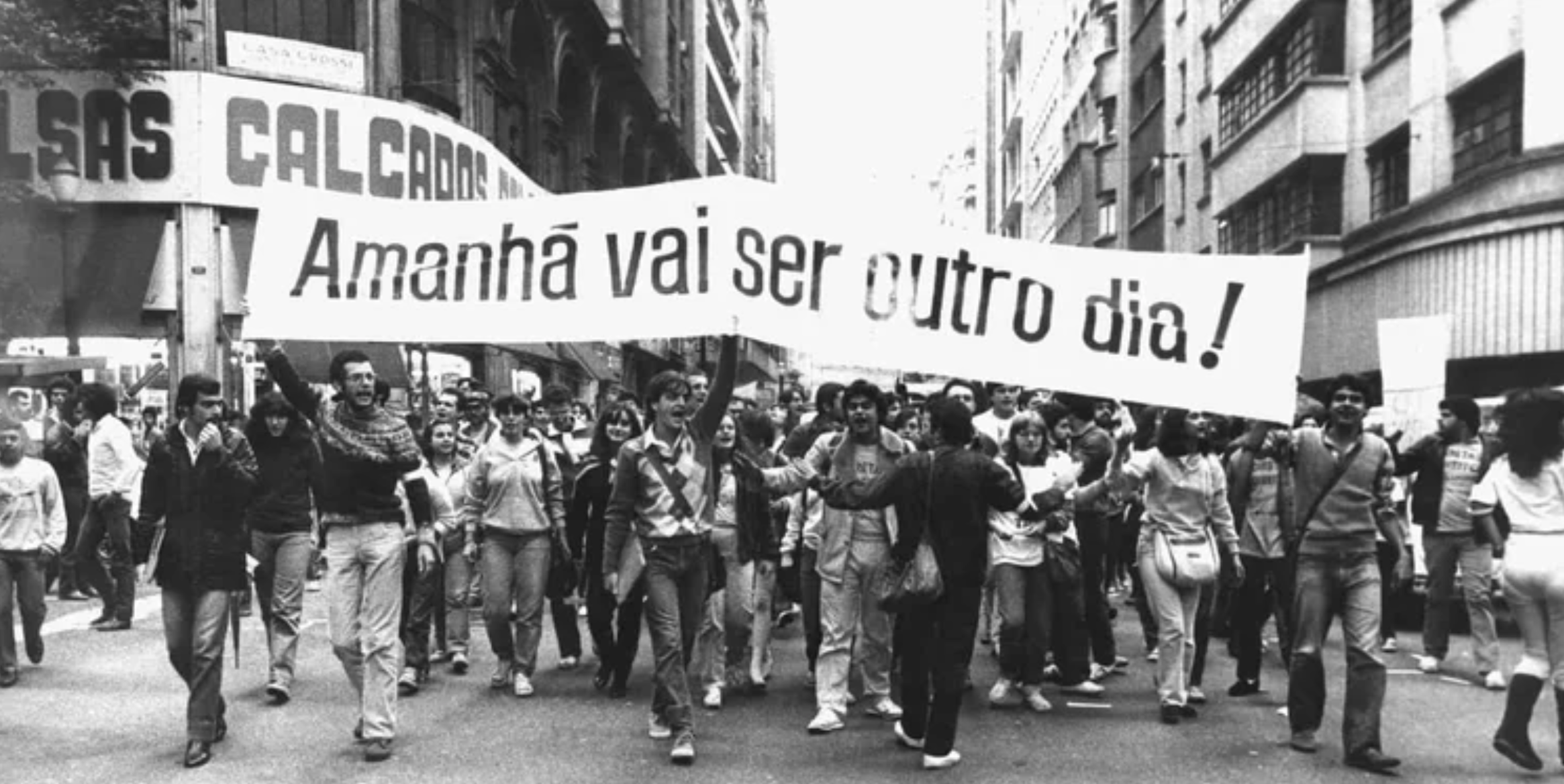
Protesters in Brasil, 1968. On the banner a verse from a song by Chico Buarque
On September 21st, three giants of Brasilian music—Chico Buarque, Caetano Veloso, and Gilberto Gil—stood together once again, this time to protest a bill designed to shield politicians from criminal investigation. The scene carried enormous symbolism: the same artists who, decades earlier, defied a military dictatorship through song and courage, came together once more to remind us that music is not just entertainment. It is memory, resistance, and vision for a different future.
Back in the dark years of Brasil’s dictatorship, these musicians, and many others, were censored, arrested, and even forced into exile. Their voices were seen as so dangerous that the state silenced them at all costs. If the powerful fear musicians to the point of punishing them simply for singing, it proves one simple truth: music is power.
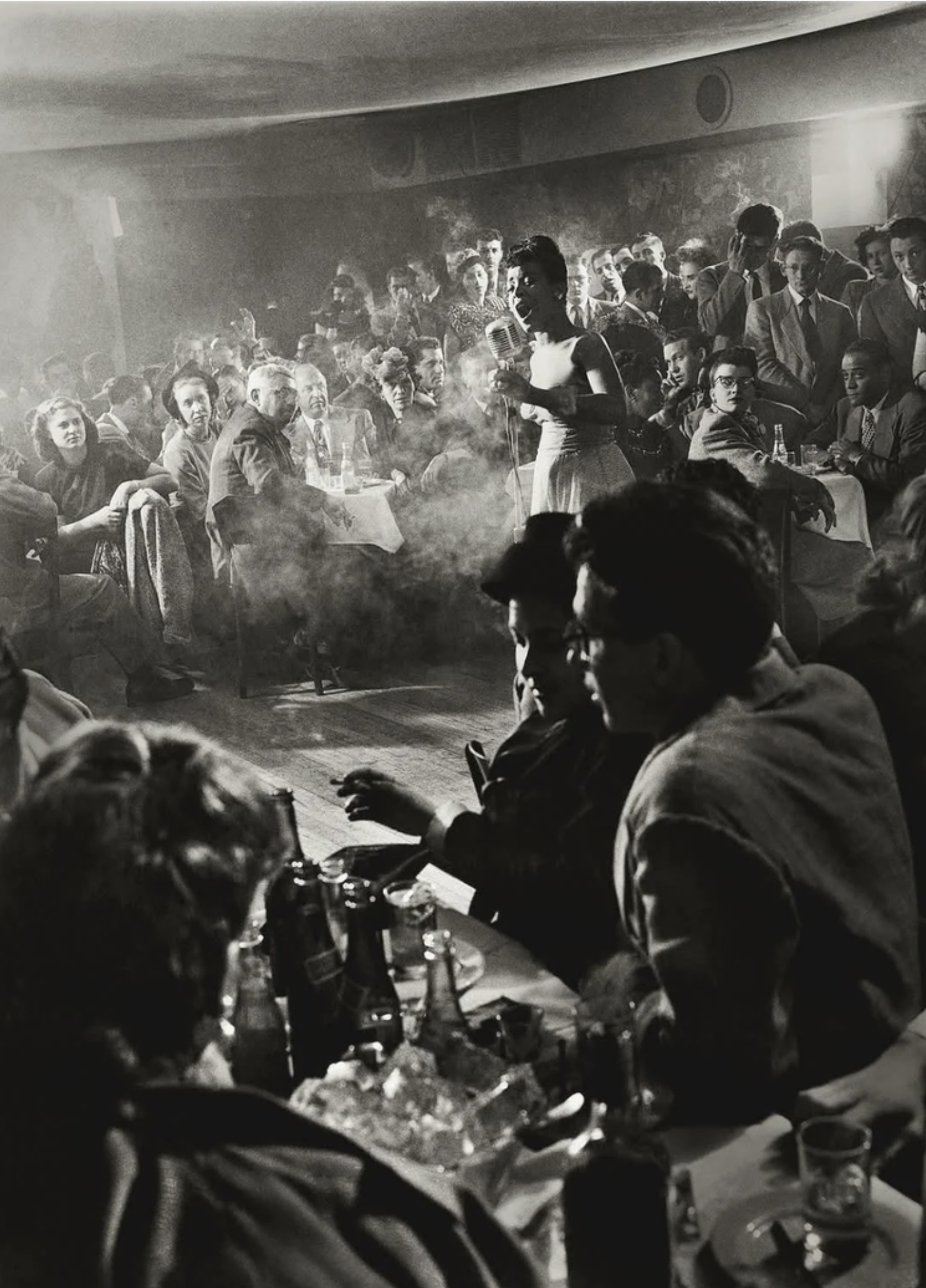
Billie Holiday performing “Strange Fruit” in NYC first ever integrated club, 1939
Art—especially music—has always played a crucial role in reflecting the spirit of its time while also shaping the direction of public opinion. It amplifies the voice of the people, translating pain, hope, and anger into rhythm and melody. Every movement has its soundtrack. In the United States, Billie Holiday’s haunting “Strange Fruit” exposed the brutality of racism in a way no political speech ever could. Marvin Gaye’s “What’s Going On” became a rallying cry during the Vietnam era, an anthem of compassion in a world drowning in violence.
Across the world, this fusion of art and resistance has been constant. In Jamaica, Bob Marley’s music was both spiritual and political, calling for unity while standing up to injustice. In Nigeria, Fela Kuti’s Afrobeat thundered against corruption and authoritarian rule, inspiring generations and facing brutal repression in the process. Each of these artists proved that when music dares to confront power, it cannot be ignored.
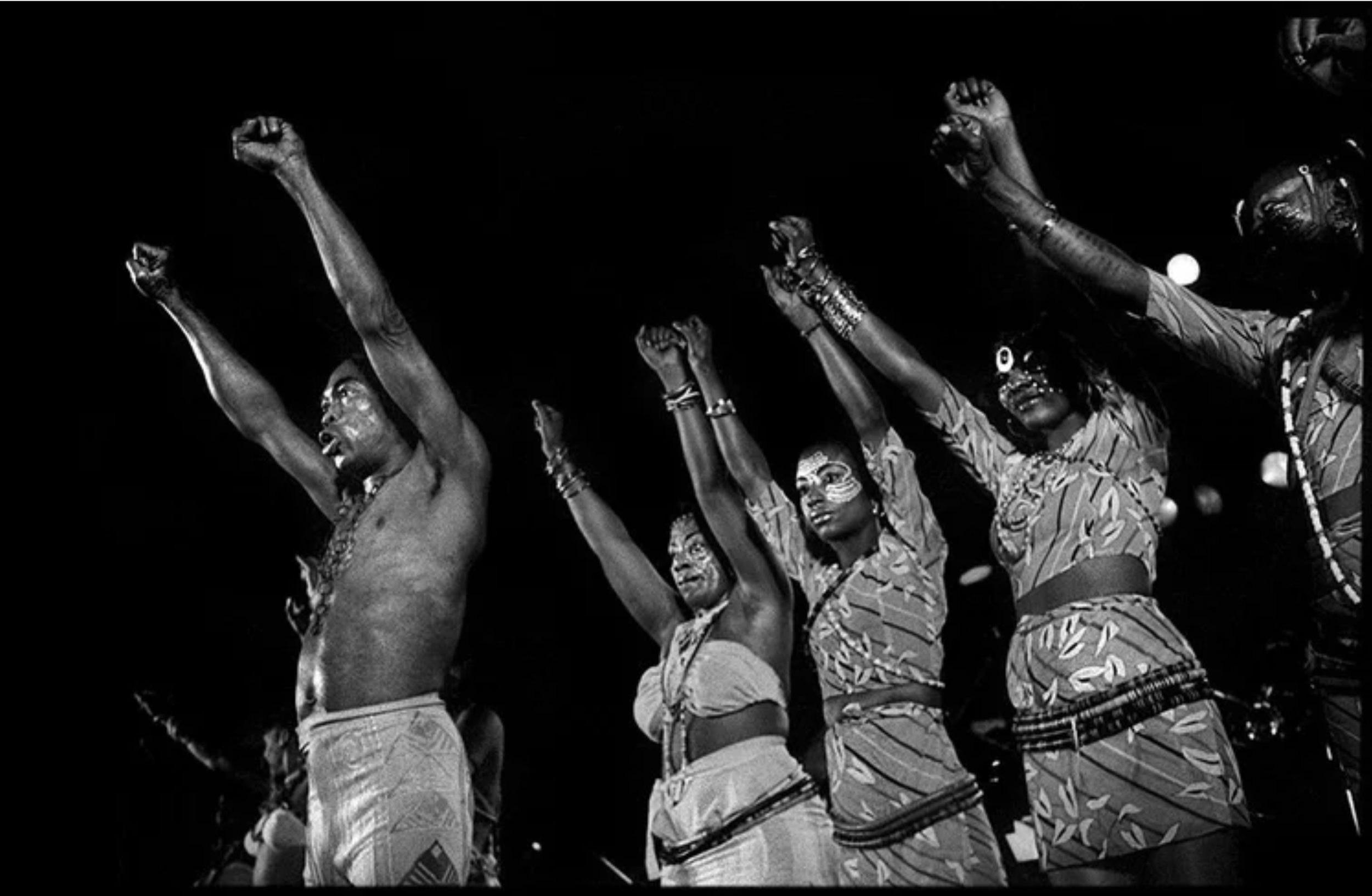
Fela Kuti onstage
The tradition continues today. In America, Childish Gambino’s “This Is America” forced listeners and viewers to confront the violence and contradictions of American life. Adrian Younge’s The American Negro dissected systemic racism with the precision of both scholar and artist, turning grooves into testimony. These works remind us that music remains one of the most potent tools for truth-telling in a world of noise and distraction.
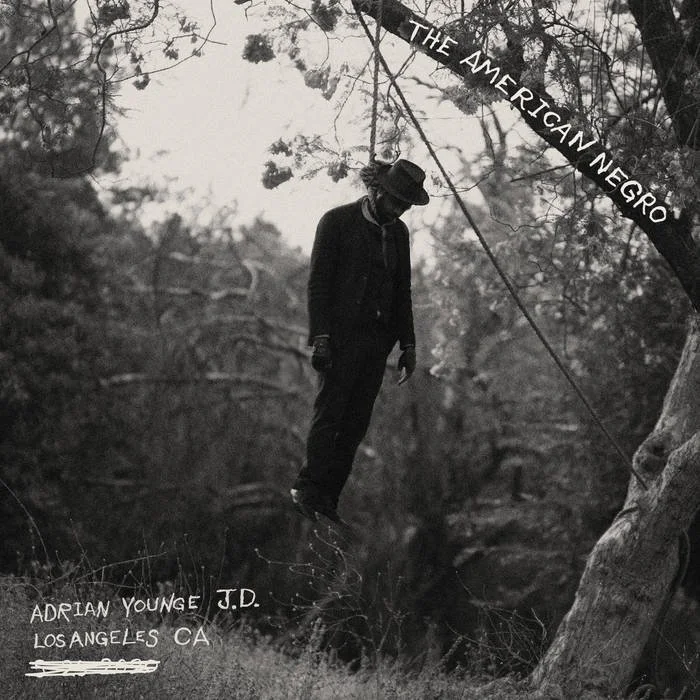
The powerful cover of Adrian Younge’s “The American Negro”
At ArtDontSleep, we believe in that power. We believe in the stage, the gathering, the live moment where music not only entertains but unites and mobilizes. Music forces the powerful into action because it moves the people first. And when people move together, change is inevitable.
This is why we keep creating spaces where music is more than sound—it is resistance, it is remembrance, it is the future being written in real time. The message is clear: music and politics have always been inseparable, and that is exactly why they matter.
Because when the people sing, the powerful must listen.
Free Palestine!
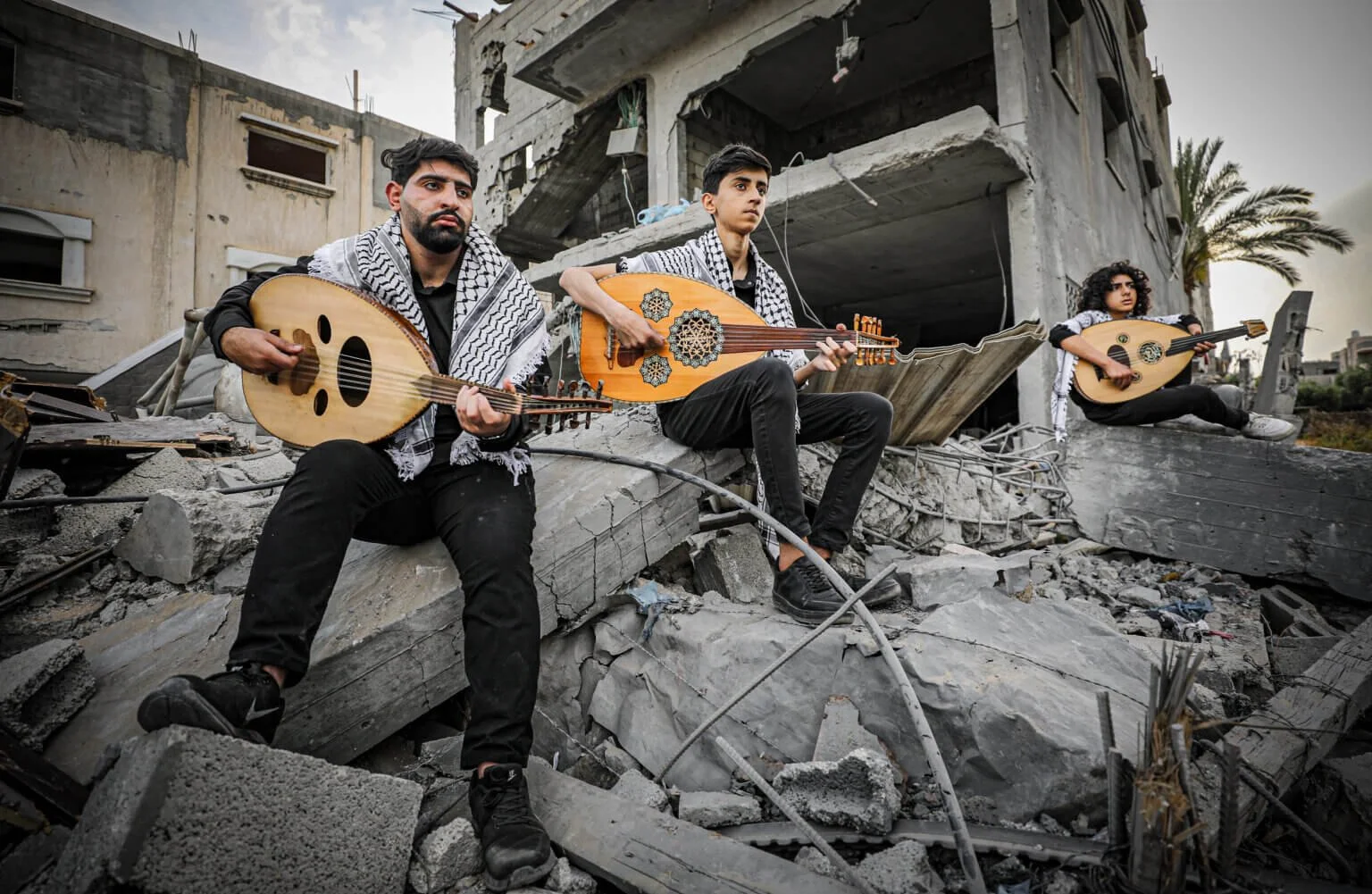
Palestinian youth play music on the rubble of destroyed houses in Deir al-Balah destroyed in an Israeli airstrike on May 13, 2023. (Photo: Abdelrahman Alkahlout/APA Images)